Men's Health Spotlight: Foods for Prostate Health

November is Men's Health Month, so I wanted to write about a number of foods (and a couple supplements) that are extremely beneficial for men's health, especially in regards to prostate cancer prevention. Nearly 300,000 American men are diagnosed with prostate cancer every year and the American Cancer Society estimates that one in 8 men will be diagnosed with prostate cancer in their lifetime.

Thankfully, Prostate cancer is one of the most curable cancers, but it's still something to be avoided if possible (and early detection is key, so don't forget your yearly checkup). There are quite a few delicious foods that have shown in research to help with lowering your cancer risk when eaten regularly as part of a healthy diet, though in general, a diet higher in fresh fruits and vegetables and lower in meat (especially processed meats) can help to reduce cancer risk.

Walnuts have been found to help reduce cancer risk when eaten regularly, and have also been shown in scientific studies to be able to both inhibit the growth of prostate cancer cells as well as reduce the size of prostate tumors. In older men, walnut intake was associated with improved biomarkers related to both prostate and vascular health. Walnuts are a good source of healthy fats that are also linked to improved heart health, so eating a handful a day of unsalted walnuts is definitely a good idea.

Cruciferous vegetables like broccoli, cauliflower, and cabbage are wonderfully healthy for you when eaten regularly, and are especially beneficial for prostate cancer prevention. Men who ate high amounts of broccoli and other cruciferous vegetables were found to have a 40% lower risk of invasive prostate cancer as well as a reduced overall cancer risk. There are lots of great ways to eat broccoli and cauliflower, so making a point to add them as a regular part of your diet can go a long way to help not only with cancer prevention, but they’re also very nutrient-dense and can help with reducing inflammation in the body.

Tomatoes are the main dietary source of lycopene, a nutrient well known for prostate cancer prevention. Lycopene has been shown to inhibit the growth of prostate cancer cells in scientific research, and higher levels of lycopene in the body are associated with a reduced risk of prostate cancer. For the lycopene in tomatoes to be absorbed the best, tomatoes need to be cooked, so cooked tomatoes or tomato sauces are ideal ways of upping your lycopene from food, especially when cooked tomatoes are combined with a healthy fat like olive oil. Lycopene can also help with heart health and kidney function and is a fantastic antioxidant. Lycopene is also available in supplement form.

The antioxidants found in green tea, known as catechins, have been shown to have many different benefits, especially with cancer prevention. One clinical trial found that green tea catechins were 90% effective in preventing prostate cancer in men with pre-malignant lesions on their prostate. The people in the trial were given 200mg of green tea catechins three times a day. Research has also shown benefits for men with prostate cancer as a complementary therapy to conventional treatment, significantly improving outcomes. I’d particularly recommend using matcha green tea powder in a smoothie as the easiest way to get the benefits of green tea, especially if you aren’t a fan of drinking brewed green tea .

Vitamin D has had a lot of press in the past couple of years for its benefits to the immune system, but vitamin D has also been shown to help with a cancer risk prevention of up to 50% for people with higher levels of vitamin D. People with higher levels of vitamin D in their blood have also been found to have a much lower incidence of lethal prostate cancer. Vitamin D is made in our skin when it’s exposed to sunlight, but vitamin D levels usually drop significantly in the colder months when we’re stuck inside the majority of the day. Vitamin D is a small, inexpensive pill, so adding it to your daily regimen is a simple thing to do- vitamin D is also great for healthy bones.

The other main prostate issue men experience other than cancer is benign prostate enlargement, also known as benign prostatic hyperplasia or BPH. Enlarged prostate is very common, especially as men age- it’s been estimated that 80% of men at age 80 have BPH. Common symptoms of untreated BPH are frequent urination, an inability to empty the bladder completely, and incontinence; though without treatment it may even damage kidney function.

The most recommended supplement for BPH is saw palmetto, which has been shown in research to be as effective as the prescription finasteride for symptoms of benign prostate enlargement. The dosage matters, however, with a total of 320mg per day as the recommended effective dose.

There are prostate supplement blends available, which usually combine saw palmetto with other herbs beneficial for prostate health, though it's important to look at what the recommended dose is on the back of the bottle, since usually a prostate blend will be several pills a day. There are saw palmetto products in a one a day formula available as well, which most men find more convenient (just make sure that it contains the recommended 320mg per pill).

Please stop by Pass Health Foods if you have any questions, we’re at 7228 W. College Drive in Palos Heights.
Benefits of High Dose Omega 3 Fish Oil [New Research]

I've written about fish oil and its uses numerous times, but I've been reading a lot about high dose fish oil and its benefits, and I wanted to share my findings because I was really impressed with the reports.

Omega 3s are known as essential fatty acids, which means that they aren’t produced in the body and must be obtained through diet or supplements. If you’re not eating quality fatty fish multiple times a week (salmon for example), it’s likely that you’re deficient. There are vegetarian sources of omega 3s, though they generally aren’t as potent as fish oil supplements.

The two main parts beneficial components of omega 3s are EPA and DHA. Fish oil supplements vary widely in the strength of those two ingredients, so it’s always a good idea to look at the “Supplement Facts” on the back of the label to see what you’re really getting. Many products will say, “1,000mg of Fish Oil” on their labels, but actually contain far less than that of actual omega 3s and EPA and DHA. A product that’s lower in EPA and DHA per pill doesn’t necessarily mean it’s bad, but in my opinion, if you’re going through the effort of taking a supplement, you want to get a good strength per dose so you’re not wasting your time.

Omega 3s have so many benefits for cardiovascular health, joint health, brain function, and more. Adding any amount of omega 3s to your diet is beneficial, though if you’re taking it to help with a specific health concern, it’s a good idea to make sure you’re getting enough to make a difference.

For general health, most people take around 1,000 mg of omega 3s per day, but if you have issues with your cardiovascular health, joints, focus, or mood, it may be a good idea to take a higher dose.

The American Heart Association just reported in their journal that they recommend 3 grams of omega 3 fatty acids as the “optimal daily dose” for helping to lower blood pressure, and that the effect was especially pronounced in people already diagnosed with hypertension.

High dose omega 3s are also recommended by physicians to help with lowering cholesterol- especially triglyceride levels. Scientists have found that 4 grams per day is what’s recommended to lower triglycerides. The American Heart Association reports that in people with severe hypertriglyceridemia (the fancy name for very high triglycerides) taking 4 grams (or 4,000mg) of omega 3s may reduce triglyceride levels by more than 30%, which is pretty impressive.

I also recently read an article about a woman living with rheumatoid arthritis that had been suffering from it for many years and having extreme problems with pain and inflammation, even after taking all sorts of prescriptions and everything else. She was recommended by a new physician to try using high dose omega 3s: 2,000-4,000mg a day, and wrote about how it literally changed her life and helped so much with reducing the pain and inflammation she’d been dealing with for years. On her physician’s advice, she began taking a tablespoon of flavored fish oil per day, with impressive results not only in her reports of reduced pain, but in lab tests of inflammation which were brought back to normal levels for the first time in years.

I don’t know that that is a typical response since I know that rheumatoid arthritis can be difficult to treat, but fish oil is something that’s not harmful, and has lots of benefits, so I’d say it’s definitely worth a try.

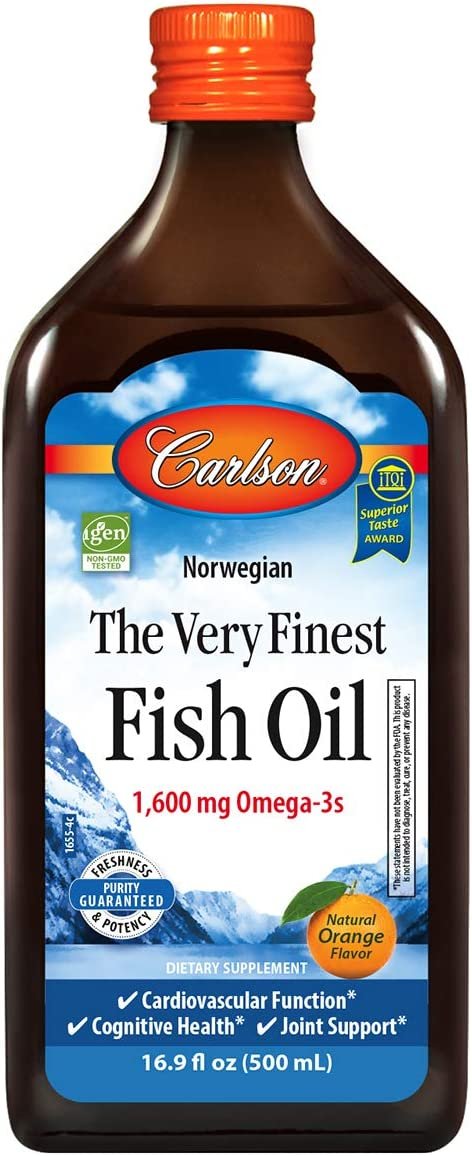
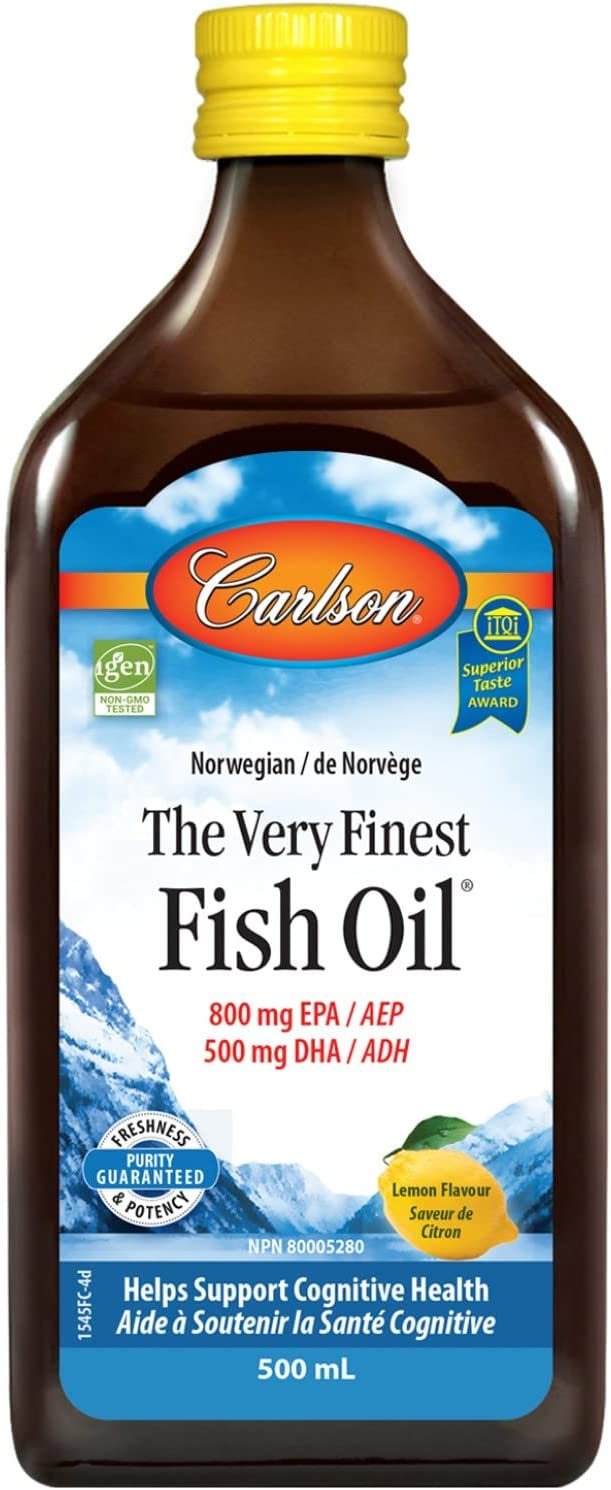
If you're doing high dose fish oil, it's easier to do it as a liquid than to take as softgels, since generally it'll be at least 4 softgels a day to get the right strength for a high dose fish oil. We'd recommend Carlson's omega 3 fish oil liquids because of their purity and taste-they have several great tasting flavors.

Liz (the other owner of Pass Health Foods) says, "I put the Carlson orange fish oil in my smoothie and I highly recommend it. It doesn't taste at all like fish; I wouldn't do it if it ruined my smoothie."

I mentioned to her that I would be writing about fish oil but in higher dosages and asked if she would try doing a tablespoon of the fish oil in her smoothie. When I asked how it was the next day she said she actually liked it better and that it tasted so nice because the orange was such a great compliment to the fruits in her smoothie. I asked if it was too oily or changed the texture or consistency, and she said not at all.

I think the lemon is probably the most popular for people taking it straight off a spoon, but if you're mixing it in with a smoothie orange might be the best bet. Liz certainly thinks so.

I’d recommend the one by Carlson because we’ve had a lot of customers that have used their flavored fish oils for years with good results. Their fish oils are also independently lab tested for purity, and they’re in charge of every step of the process from catch (which is wild caught in Norway) to bottling, so they have better control over their product- many companies will purchase bulk fish oil from other companies and repackage it, which can lead to problems with quality control. They’re also a family owned and run American company since 1965. Even better, we have all of our Carlson products on sale for 20% off every day at Pass Health Foods, to pass on the savings to make staying healthy more affordable.

My only caution with fish oil is that it can have a slight blood thinning effect. Usually that's something that's viewed as positive for cardiovascular health, but if you are on prescription blood thinners like Coumadin, high dose fish oil may not be for you. As with any supplement, it's a good idea to let your doctor know what you're taking, just in case. Omega-3s are essential fatty acids, however, so they are definitely needed for proper body functioning.

If you have any questions about fish oil or omega 3s, stop by the store, we’d be happy to help you further. We’re at 7228 W. College Drive in Palos Heights, Illinois.

Health Chek Medical Tests at Pass Health Foods

Beginning this month, Health Chek will be at the store the first Wednesday of the month from 10-11. You must register in advance with Health Chek. See below for more info:

This is a new service we're offering because we think people would benefit from it. Our friends at Southtown Health Foods have been having Health Chek come to their store for years, so we feel like they are reputable and trust them.  

Health Chek is a mobile service that offers medical tests (primarily blood test labs) for a wide variety of health issues. They list the prices for each specific medical test in advance on their website, and there are no hidden fees. You do not need a referral, and the medical results are private and sent only to you specifically (though you can choose for results to be sent to your physician). 

To make an appointment, you need to do it through Health Chek by calling them at 219-322-7041, and payment is taken at the time of the test through Health Chek (they said they take cash, check, or credit card). They offer hundreds of tests, and have them listed on their website with the prices. The costs listed are the prices you pay if you want a test. There are no additional fees (which we like, so you know what the true prices are). Also, each month they have specials on certain tests (which are listed in advance on their website). 

Again, we are not affiliated with Health Chek, and we don't receive any money from them, we just thought it was a nice thing to offer since we think it could definitely benefit some of our customers who may not have a regular physician that they see, but still want to get a blood test or health test (which we always think is a good idea).

See this flyer on their website for more information.


Additionally, if you have a primary care physician and insurance, some of these tests may be available to you for free or a discounted rate through your doctor. Health Chek does not go through insurance, and requires payment for tests at the time of service (which can also be an advantage in some ways since you can choose whichever medical tests you may want to get, without having to get approval or a referral).

Appointments need to be made in advance. Health Chek will be at the store each month on the first Wednesday.

Note: the tests will be done in a private area at the store away from any customers.

Again, we are not affiliated with Health Chek, but we feel it is a service some of our customers would find value in.

Help for Dry Eyes (Beyond Eye Drops)

This month I wanted to write about dry eyes. Chronic dry eyes are a problem that millions of American adults suffer from, though it seems to become more even more prevalent as we age (interestingly, for whatever reason it seems to affect more women than men). Dry eyes can go from feeling a little uncomfortable to making you absolutely miserable, so I wanted to share some natural things that we think may help. When I had Covid this past spring, one of my weird symptoms was eye dryness, and it was absolutely terrible, so I feel like I have a new understanding for people who deal with eye dryness on a regular basis.

Most people use eye drops for eye dryness, and while that’s not a bad thing, it’s not really fixing the problem other than for the short period of time after you put the eye drops in- plus carrying eye drops everywhere you go is certainly a hassle. If you’re looking for an eye drop, there is one we would recommend in particular- Brite Eyes by Life Extention. I like them because in addition to lubricating the eye, they also contain the antioxidant amino acid N-acetyl-carnosine. The addition of this antioxidant in eye drops has been linked to benefits to vision and corneal health since that unique amino acid appears to be able to actually penetrate into the cornea to confer antioxidant benefits. There have been two small studies with extremely positive results, showing benefits for visual acuity, glare sensitivity, and cataract prevention for the vast majority of participants. The studies were so positive that many researchers are skeptical of the results and recommend further study, but to date it doesn’t seem like any further studies have been preformed. Still, even if the N-acetyl-carnosine eye drops aren’t as miraculous as reported in the two trials that were done, they aren’t harmful, so I think they might be a good thing to try (with any supplement, it’s good to give it a bit of time to see results- most studies that are done range from four to twelve weeks).

There are a few different prescriptions available for dry eyes, but most people look for a non-prescription solution first, which is always a good idea. I wanted to share about a new natural product I’ve been reading about that seems to have really positive results for helping people with dry eyes- the extract of a berry native to Chile and Argentina called the maqui berry (pronounced “muh-kee” with the emphasis on the “kee” sound in case you were interested). In research, maqui berry extract taken in a capsule form was able to naturally boost the body’s own tear production, and showed a really impressive improvement in the participant’s dry eye symptoms, with benefits seen after one month but continuing with even better results after two months of use.

One study gave participants quizzes where they rated their symptoms of dry eyes and quality of life, and the people who used the maqui berry supplements had a 72% improvement in their dry eye symptoms after two months. Another study measured the amount of tear fluid in the participant’s eyes, and after using the maqui supplements for just four weeks had a 89% increase in their production of tear fluid (people affected by dry eyes have been shown to have significantly reduced tear production).

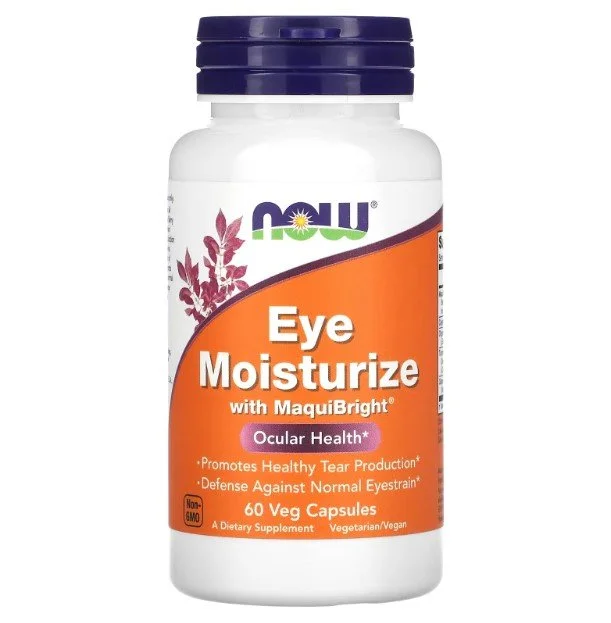
We have a supplement containing the amount used in both studies at Pass Health Foods in Palos Heights called Eye Moisturize by the local brand Now Foods. The studies on the extract are pretty impressive, so I’d say it’s definitely worth trying if you or someone you know suffers from dry eyes. Plus, early results were seen in four weeks, so it’s not something that needs to be taken for ages without seeing a benefit, which is nice.

A few other recommendations we’d have for dry eyes are to try to blink more. Studies have found that we blink less when we’re looking at electronic devices, so that’s something to keep in mind. One guideline says to close your eyes for 20 seconds for every 20 minutes that you’re at a computer or other device, which is a good idea. Using a warm compress on the eyes may also help as well as being sure you’re drinking enough water throughout the day.

Back to School Help for Stress and Anxiety

August means back to school (which personally is depressing to me, because when I went to school, school started in September, but I digress). I'm really hoping this year will be a little more normal than last year, which is actually the same thing I said last August I think.    

Still, any year can be a cause of anxiety and stress for kids of all ages, so if your child, teen, or college students are having a tough time looking ahead to the start of school, we do have some supplements that can help.

The one we would recommend above all others is theanine, an amino acid from green tea which is great for helping to reduce stress and anxiety without making you feel tired or spacey- in fact, it can even help with increasing focus and concentration. We have it available in capsules or great tasting gummies, and it’s something that we’ve had customers with kids of all ages have good results with.

Additionally, we’d recommend omega 3s for students of all ages to help with overall brain function and focus. Omegas 3s are called essential fatty acids because they must be obtained through either food or supplements, and most kids and teens realistically aren’t eating salmon multiple times a week. If you’re not getting Omega 3s through the foods you eat (primarily fatty fish), it’s likely you’re deficient. 

Research has linked low levels of Omega 3s with an increase in depression and attention problems. We even have vegetarian forms of Omega 3s since vegetarians are at an even higher risk of fatty acid deficiency. Stop in the store and we can help find the right supplement for you and the kids in your life.

Stop by and see us at 7228 W. College Drive in Palos Heights so we can help you to find the supplement that’s right for you!

Let's all stay healthy!

I was trying to save writing an article about keeping healthy and the immune system for closer to the fall, since I feel like that's usually when people get sick versus in the summer, but it seems like lately there are so many people coming down with Covid, I wanted to do an article for this month's newsletter.

I'd say things are definitely better than they were, and maybe this is just the new normal. Today it seems, for most people that Covid isn't horribly serious (thankfully!), although it's not great. When I had Covid this spring, it was over two weeks before I was back to normal, and it was pretty miserable. We still have people who come into the store on a regular basis complaining of symptoms that have lasted for months, especially loss of taste or smell, so doing what we can to give ourselves the best chance of staying healthy definitely seems like a good idea.

Fortunately, there are supplements that we feel can really make a difference in the battle to stay healthy, especially as we get closer to autumn and with school starting.

The top supplement we'd probably recommend is quercetin, a plant compound found in small amounts in many fruits and vegetables. Quercetin is a potent antioxidant and in the past has been a supplement frequently taken for allergies to reduce histamine levels.

The reason we'd recommend quercetin now for staying healthy is that it helps the immune system in a way unique to other supplements. Research has shown that quercetin helps to prevent viruses from being able to enter and infect cells as well as slowing viral replication, and has been studied with a number of different serious viruses with good results. Our immune system being able to overcome viruses (whether it’s Covid, flu, or just a cold) is the only way we stay healthy, and slowing the rate that a virus can proliferate in your body can make it easier to fight off.

Quercetin works by giving your immune system a better chance of stopping an infection before we even know we have it.

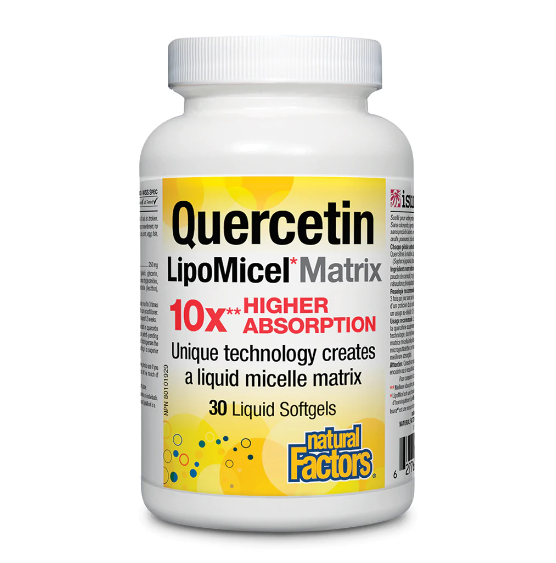
I definitely believe in quercetin, though recent research has shown that it can be somewhat difficult for the body to absorb and utilize, so we’ve found a new quercetin supplement by Natural Factors that is significantly better absorbed (up to 10 times more than regular quercetin supplements) since it uses a patent pending technology to make the quercetin into micro-droplets suspended in a liquid softgel to enhance absorption. I’ve switched my quercetin to this new liquid form, and would definitely recommend that everyone else do so as well.

In addition to quercetin, we’d also say adding zinc, vitamin D, and vitamin C to your daily regimen would be a good idea.

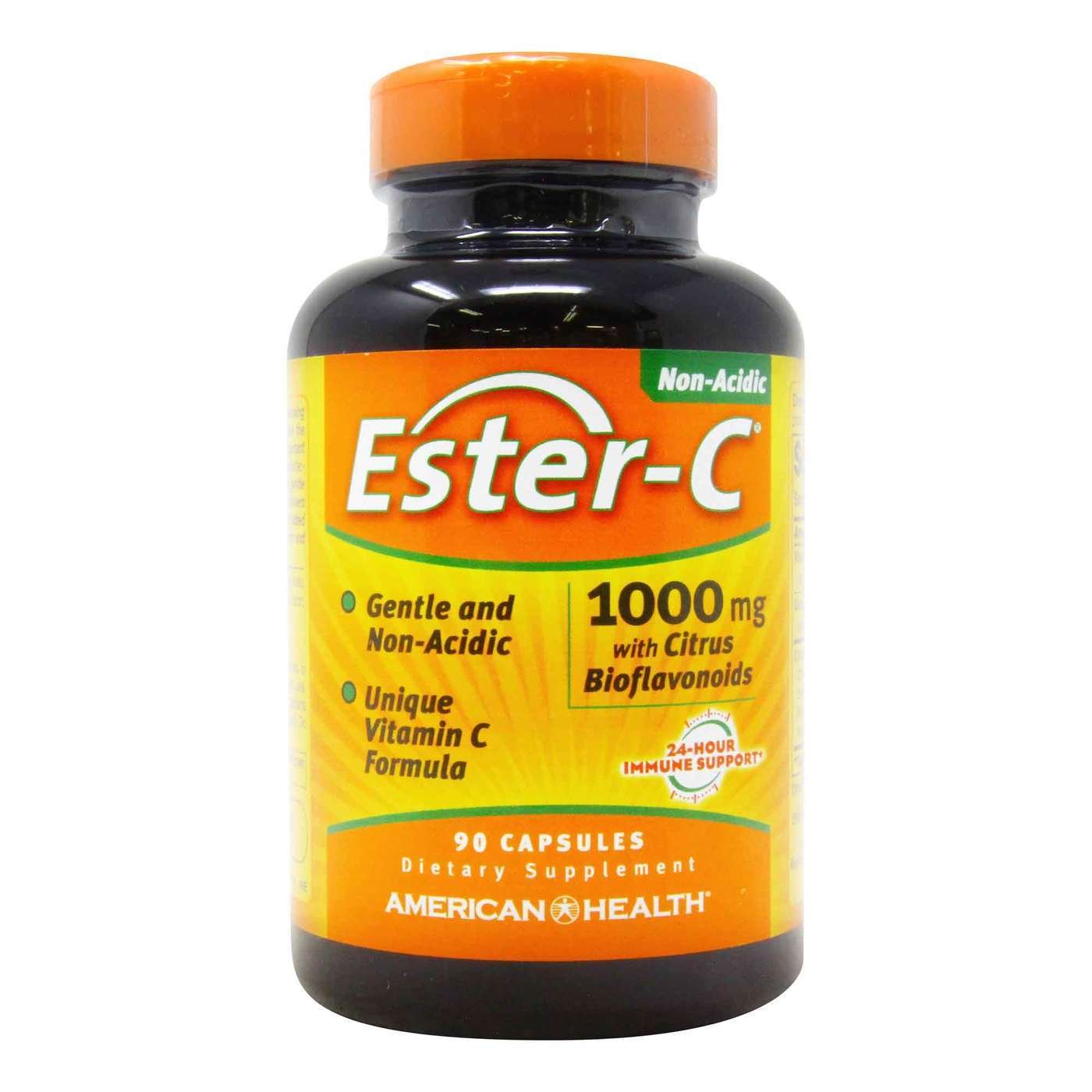
Interestingly, it’s been found that vitamin C increases the effectiveness of quercetin and vice versa, so it's a smart idea to take those two supplements together. Vitamin C helps to enhance the functioning of the white blood cells of our immune system, which are the first line of defense against bacteria or viruses that enter our body. We particularly recommend the Ester C form of the vitamin since it’s gentle on the stomach and stays at work longer in our cells than regular vitamin C. Most people aren’t getting enough vitamin C in their diets through fresh fruits, so supplemental vitamin C can help to fill in that gap.

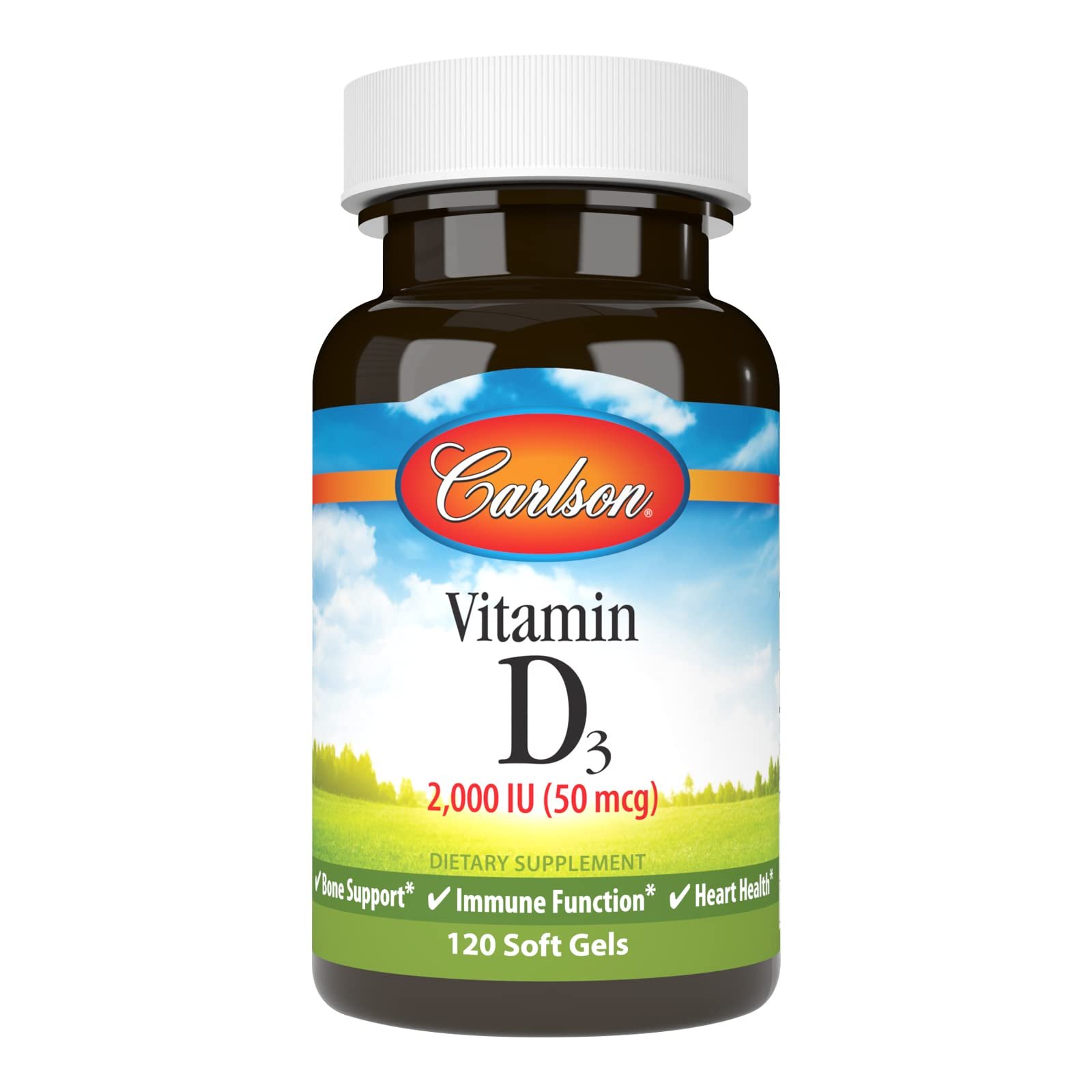
Vitamin D is also great for the immune system. It’s made in our body when our skin is exposed to sunlight. I’m out in the sun a lot in the summer, so I usually stop taking vitamin D supplements when it’s hot out, but if you aren’t outside very much it’s probably a good idea to supplement with vitamin D, especially as we get closer to fall. Additionally, even though it’s made in our skin, wearing sunscreen or having a darker skin tone can make it harder for the body to make vitamin D, so those are also things to consider. Research on Covid patients has found that people who had the lowest levels of vitamin D levels had much more severe illness, which no one wants, so supplementing is a simple way to keep yourself healthy (it’s a tiny, inexpensive pill). Vitamin D is also helpful for bones and calcium absorption, so it’s always a favorite supplement of ours.

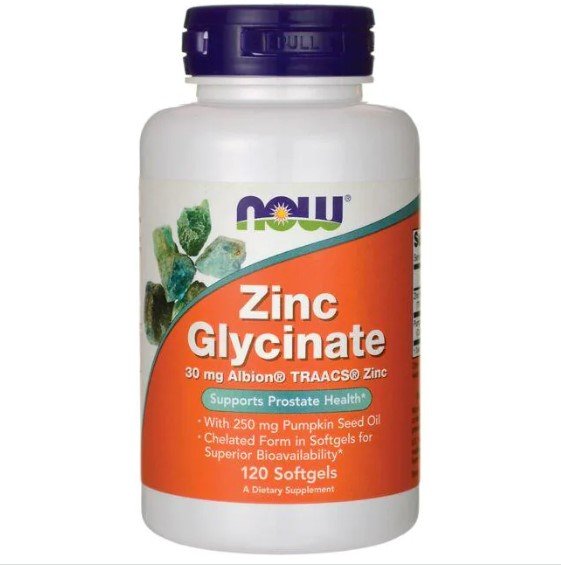
The last in our list of top recommended immune supplements is zinc. Zinc is also a tiny, inexpensive pill, and it’s been found that most people aren’t getting nearly enough zinc in their diets. Zinc has been shown in research to have a protective effect against respiratory viruses but it also appears to have a regulating effect on the immune system, helping to prevent inflammation and also helping the body’s response to infection.

None of these are new supplements (with the exception of the new form of quercetin), and they’re the same supplements that we’ve been recommending through this entire crazy time, but now is probably a good idea to start a supplement regimen if you’re gotten out of the habit.

We currently have the new liquid gel quercetin, Ester C, and Vitamin D on sale at the store, so it’s a good time to stock up for fall and winter.

Stop by and see us at 7228 W. College Drive in Palos Heights so we can help you find the supplements that are right for you! We have a kind and knowledgeable staff to help with any questions you may have.

Organic Wine Tasting- July 9th

We’ve had many customers request it, so we will be having another large organic wine tasting at the store on Saturday, July 9th from 11-3. We will be focusing primarily on white and rose wines for summer, but should have a couple reds to sample as well. Please be sure to mark your calendars, it should be a nice time and a good way to taste a variety of organic wines from around the world.

We’re at 7228 W. College Drive in Palos Heights, I hope we see you there!

Furry Friends and the 4th

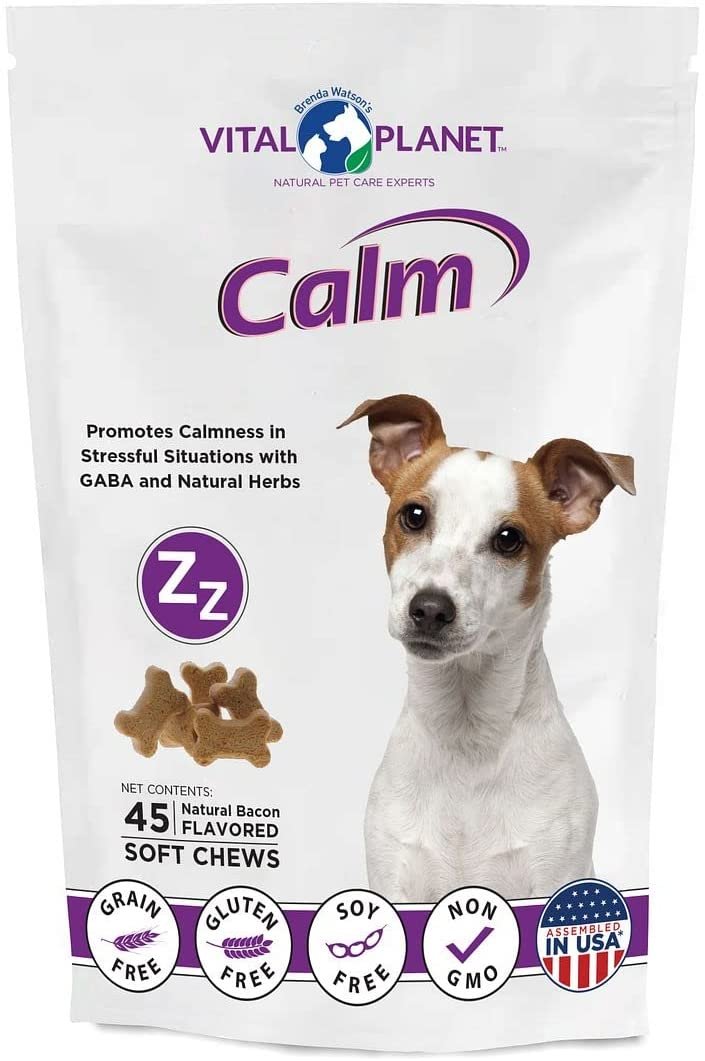
The fireworks on the 4th (and 3rd of July in Palos Heights) are wonderful to watch, but for many pets it can be a rough time. We have two products I wanted to recommend that we think can really help pets to feel calmer during the holiday.

The first is Vital Planet Calm for Pets. They’re soft chews with relaxing supplements that are safe for pets that can help them to feel less stressed and anxious. The nice thing about these treats is that they don’t need to be used daily for them to be effective; they can be used as needed and can really make a difference.

Another long time favorite is our Green Gorilla CBD for Pets (in liquid or lamb dog treats). They’re best known for pain relief for older dogs, but just like how CBD can help with stress and anxiety in humans, it can also help pets to feel relaxed and less stressed.

Stop in the store before the 4th (we’ll be closed on Monday for the holiday) to pick something up for your pet that can help them get through what might be a stressful time for them.

Benefits of Saffron for Eyes and More [New Research]

Saffron is a spice with a long history, and has been used since the time of Ancient Greece (some sources say it was even used before then). It’s collected from the small golden stigmas from the inside of the autumn crocus flower. At various times in history, the spice was worth its weight in gold! It’s been used as a perfume, in cooking and baking, and medicinally for thousands of years.

Saffron is still used in various recipes that we eat today, but beyond food, research has found several health benefits from using saffron extracts- two of the benefits I’ve been most impressed with are its uses for boosting mood and also for the eyes.

Saffron has been used by many for general eye health for a long time. Just this past month, however, I came across a couple studies that really surprised me, and convinced me to start taking saffron daily.

There are many supplements that can help to preserve eyesight and prevent vision problems, but I had not come across anything that had been found to actually improve eyesight, but that is what the two studies I read about were saying about saffron.

One of the studies found that participants who took 20mg of saffron were able to improve the light sensing cells in their eye’s retina in people with early age related macular degeneration, and that after three months of taking saffron were able to read one entire additional line on an eye chart! I have terrible eyesight, so I know how significant being able to read one more line on an eye chart is. Even more impressively, the scientists tested the long term benefits of saffron, and found that after an average of 14 months, those patients with early macular degeneration were able to read two lines further on an eye chart than they had at the beginning of the study.

The amounts used in the study were a normal dose of saffron that could be found in one pill- I mention that because some studies use amounts of a supplement in unrealistic doses that most people would not be able to take without swallowing handfuls of pills.

Age related macular degeneration is the most common cause of vision loss in people over 50. Other supplements beneficial for eye health and macular degeneration are lutein and zeaxanthin. I wouldn’t recommend stopping those supplements in favor of saffron, but would suggest adding saffron to your daily regimen.

Another impressive benefit that scientists have found of saffron is its benefit for mood and for helping mild to moderate depression. An analysis of 12 studies on saffron and depression found saffron to be significantly more effective that a placebo and as effective as synthetic antidepressants for mild to moderate depression. For boosting mood, a typical dose is around 30mg of saffron per day, and in most people results were seen after about six weeks, though benefits may be felt sooner.

Saffron is a potent antioxidant with a long safety record, so I’d definitely recommend giving it a try. We have saffron available in supplement form at Pass Health Foods by itself, or in a product with ashwaganda- another herb that has been used for thousands of years that has many benefits- particularly for stress and anxiety. The product with saffron and ashwaganda is by the brand Solgar, called Stress & Anxiety Relief. That’s the one I’ve been using, since it has the daily recommended amounts of both saffron and ashwaganda in one tablet. Since it’s one we really recommend, we have it on sale for 25% off every day.